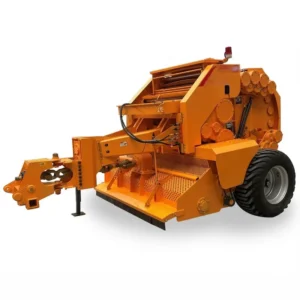
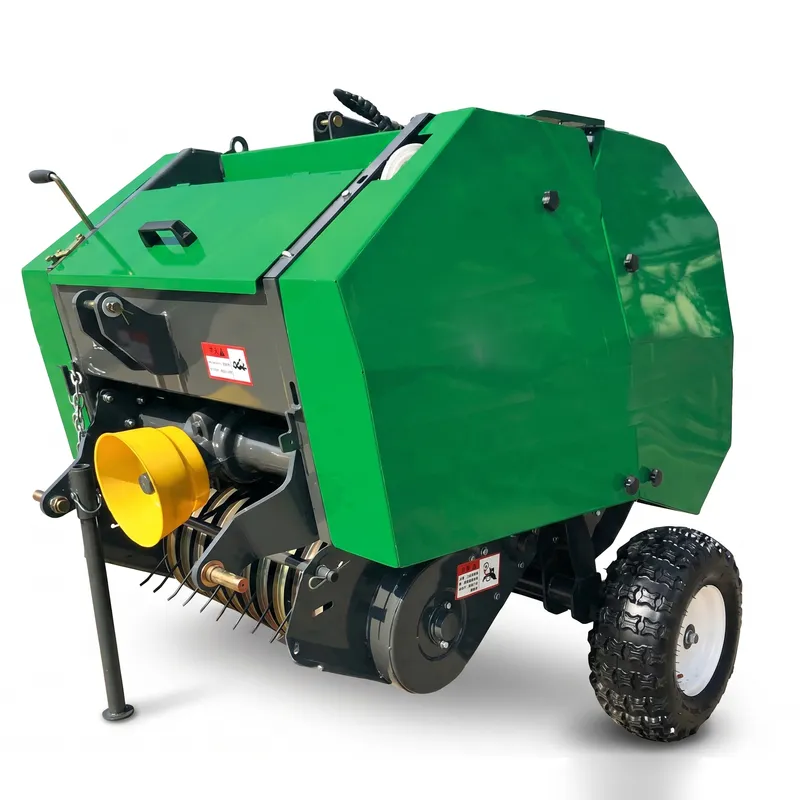
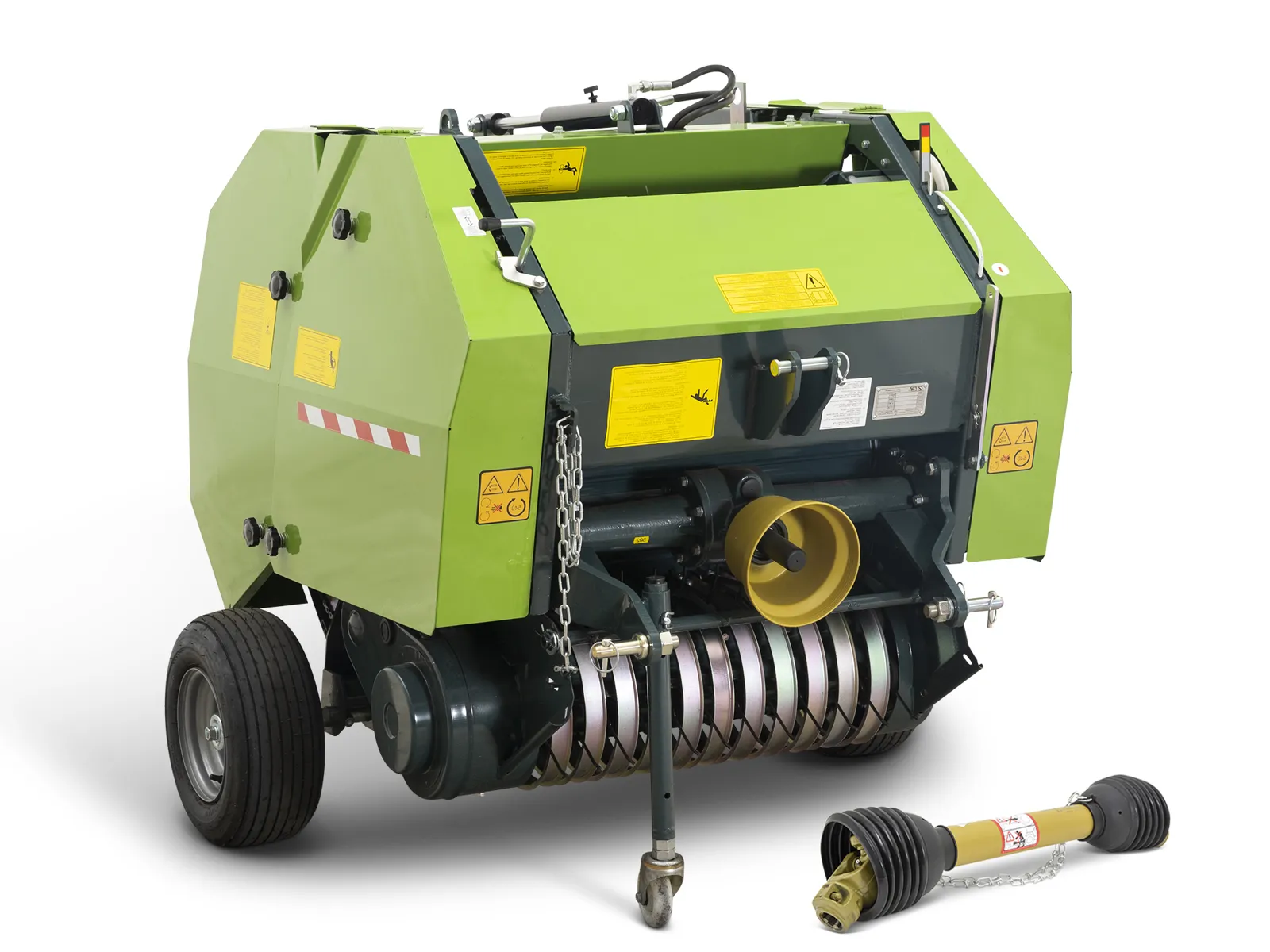
9YK-870 Trailed-type Round Baler for Tractor
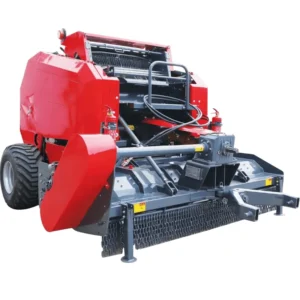
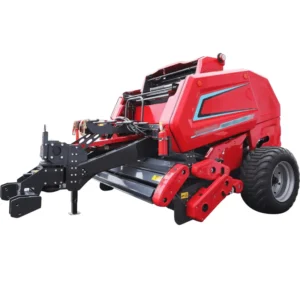
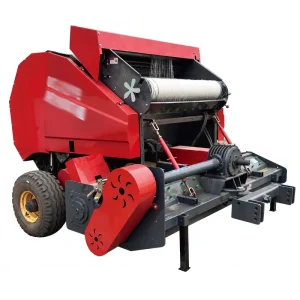
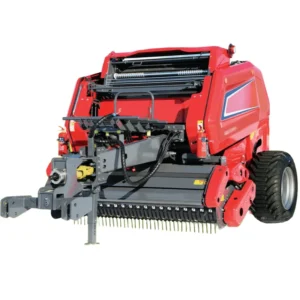
The 9YK-870 Trailed-type Round Baler is a purpose-built compact round baler designed for collecting and compressing post-harvest residue from corn, rice, wheat, soybeans, and a wide variety of grasses into dense, uniform round bales measuring Φ630 mm in diameter and 700 mm in width. Powered through a tractor’s 540 rpm PTO shaft and requiring just 25 to 50 hp of matching power, this small round baler for compact tractor is engineered to convert crop waste into manageable, storable bales suitable for animal feed, bedding material, or biomass energy.
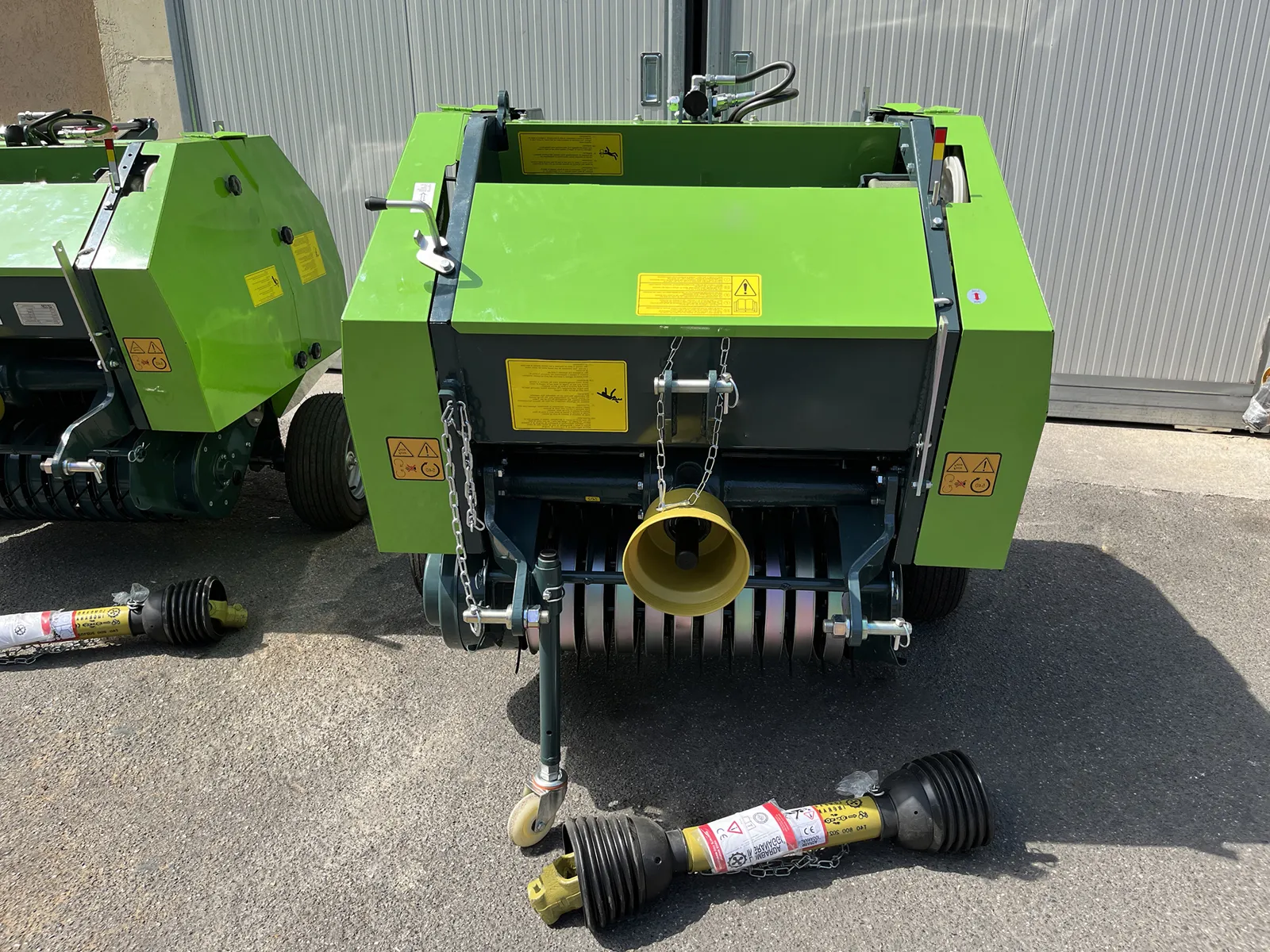
The 9YK-870 Trailed-type Round Baler is a purpose-built compact round baler designed for collecting and compressing post-harvest residue from corn, rice, wheat, soybeans, and a wide variety of grasses into dense, uniform round bales measuring Φ630 mm in diameter and 700 mm in width. Powered through a tractor's 540 rpm PTO shaft and requiring just 25 to 50 hp of matching power, this small round baler for compact tractor is engineered to convert crop waste into manageable, storable bales suitable for animal feed, bedding material, or biomass energy. With a roll-drum-type compressing chamber, spring-tooth pickup spanning 800 mm, and rope-wrapping bundling, it delivers consistent results whether you are baling dry straw or freshly cut pasture grass.
Designed with productivity and ease of operation in mind, the 9YK-870 round hay baler machine fits seamlessly into both small-scale and medium-scale farming operations. The trailed hitching method allows straightforward attachment and detachment from most utility tractors, while the machine's overall footprint of 1300 x 1300 x 1350 mm keeps it maneuverable even in tighter field conditions. Whether you are processing corn stalks, wheat straw, rice straw, or cultivated pasture grass, this round baler for hay and residue handling reduces field cleanup time, lowers labor costs, and creates value-added bale products ready for transport, storage, or sale.
Product Specifications
| No. | Item | Unit | Specification |
| 1 |
Model Name |
/ |
Model 870 Round Baler |
| 2 |
Hitching Method |
/ |
Trailed |
| 3 |
Picking Width |
mm | 800 |
| 4 |
Picker Structure |
/ |
Spring tooth type |
| 5 |
Feeder Structure |
/ |
Directly feed by spring tooth |
| 6 |
Operating Speed |
km/h | 2 ~ 5 |
| 7 |
Type of compressing bale chamber |
/ |
Roll drum type |
| 8 |
Width of compressing room |
mm | 700 |
| 9 |
Diameter of compression |
mm | Φ630 |
| 10 |
Bundling type |
/ |
Rope wrapping |
| 11 |
Bale Size (Diameter×Width) |
mm | Φ630×700 |
| 12 |
Overall Dimensions (Length × Width × Height) |
mm | 1300×1300×1350 |
| 13 |
Tire Size |
/ | 18×6.50-8-4PR |
| 14 |
Weight |
kg | 440 |
| 15 |
Matching power range |
hp | 25 ~ 50 |
| 16 |
Match the PTO Speed |
rpm | 540 |
Features of 9YK-870 Trailed-type Round Hay Baler
1. Dual-Mode Operating System with Full Process Monitoring
The round baler machine features a straightforward operating system offering both automatic and manual modes, catering to experienced operators and first-time users alike. Every stage of the baling process is fully monitored in real time, giving the operator a clear, at-a-glance view of equipment status and allowing immediate intervention whenever needed, dramatically reducing the risk of operational errors during busy harvest seasons.
2. High-Precision Net-Wrapping Loop Positioning
A dedicated high-precision sensor accurately counts and positions the number of net-wrapping loops applied to each bale. This intelligent wrapping control allows farmers to optimize the amount of round baler twine or round baler wrap used per bale, directly translating into meaningful material cost savings over a full season without compromising the structural integrity or weather resistance of completed bales.
3. Handheld Color Touch Screen with Precision Sensor
The integrated handheld color touch screen delivers stable, reliable control across all baling operations. Combined with a high-precision displacement sensor, the system allows operators to precisely monitor and control bale weight in real time, eliminating guesswork and ensuring consistent bale density from the first cycle to the last, even under varying crop volume conditions.
4. Fully Automatic Thin Oil and Centralized Grease Lubrication
The machine incorporates a fully automatic thin oil lubrication system that maintains smooth, continuous operation of the entire chain drive system, extending the service life of all moving components significantly. Grease lubrication points are organized into a centralized oil supply arrangement, allowing maintenance technicians to service all key lubrication points quickly from a single location, greatly reducing downtime and total maintenance hours per season.
5. Hydraulic Pickup Height Adjustment with Floating Capacity
The hydraulic system controls the pickup unit's working height with smooth, responsive precision, while also providing a meaningful floating capacity that allows the pickup assembly to follow uneven ground contours automatically. This adaptive design ensures the machine maintains optimal crop intake across varied terrain, reduces material loss, and simplifies end-of-day cleaning and routine maintenance with straightforward hydraulic positioning.
6. World-Renowned Brand Components Throughout
Every critical component, including the drive shaft, precision bearings, clutch assembly, transmission chain, and electronic control system, is globally sourced from internationally recognized, top-tier manufacturers. This commitment to premium-grade sourcing ensures that the 9YK-870 meets the highest standards of reliability and longevity, backing up its position as one of the best round baler options available for operators who demand both performance and long-term value from their investment.
How Does a Round Hay Baler Work?
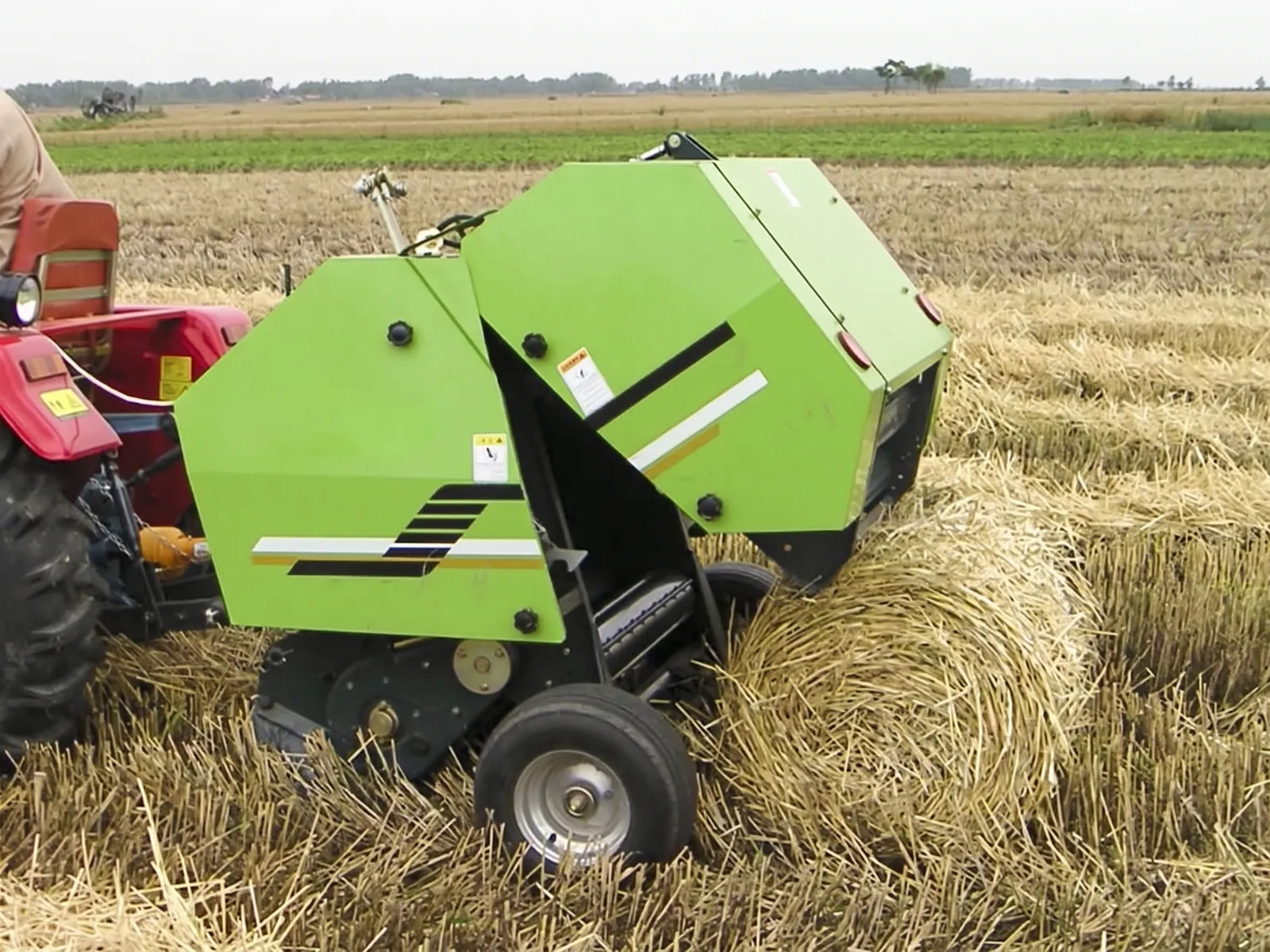
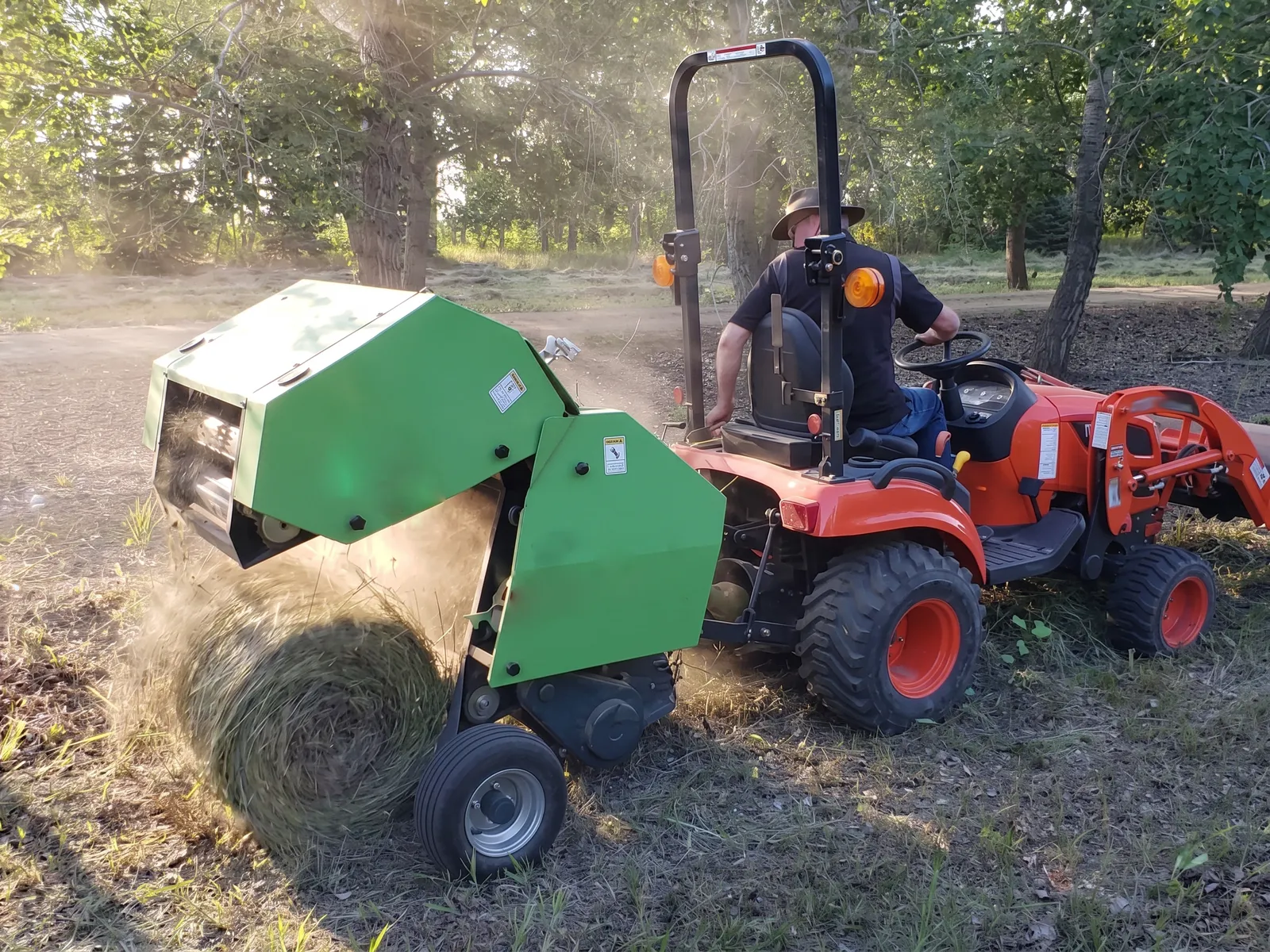
The 9YK-870 Trailed-type round baler process begins when the tractor pulls the machine across a windrow of cut or swathed crop material at a field speed of 2 to 5 km/h. The 540 rpm PTO shaft delivers rotational power from the tractor engine through the round baler PTO shaft connection to the machine's internal drive system, energizing all working components simultaneously.
At the front of the machine, the spring-tooth pickup rotor, spanning 800 mm in width, sweeps loose crop material up from the windrow and feeds it directly into the compressing chamber without the need for a separate auger or conveyor system. The direct spring-tooth feeding mechanism minimizes material losses and reduces the risk of blockages common in older designs.
Once inside the roll-drum compressing chamber, the crop material is acted upon by multiple driven rollers arranged around the interior of the bale chamber. As the rollers rotate, they cause the incoming material to fold and compress into a continuously tightening spiral core. The growing bale rotates against the drum round baler rollers, which apply progressive compression from all directions, resulting in a dense, evenly formed bale with a consistent Φ630 mm final diameter and 700 mm width.
A sensor system continuously monitors bale density and diameter during formation. When the target size is reached, the operator receives an alert through the color touch screen display. The machine then automatically initiates the rope wrapping sequence, where round baler twine is fed across the face of the spinning bale by a traversing applicator, securing the bale with a preset number of wraps determined by the high-precision wrapping loop sensor.
Once wrapping is complete, the rear tailgate of the machine opens hydraulically and the finished bale rolls gently out onto the field. The tailgate closes automatically and the cycle restarts immediately, allowing the tractor and baler to continue forward with minimal interruption to the harvesting workflow. This continuous process allows a single operator with a suitable compact tractor to efficiently bale large field areas, making the 9YK-870 an outstanding mini round baler choice for farms ranging from small family plots to medium commercial operations.

Application Areas
1. Corn Silage
This round baler for corn stalks and silage excels at gathering the dense, bulky residue left after corn harvest. The 800 mm wide spring-tooth pickup efficiently lifts flattened stalks, while the roll-drum chamber compresses them into firm bales well-suited for fermented silage storage. Sealed with twine, corn silage bales retain moisture and nutritional value, providing valuable supplemental feed throughout the dry season for livestock operations of all sizes.
2. Wheat Straw
After grain harvest, wheat fields are blanketed with loose straw that is difficult to manage and often burned. The 9YK-870 round straw baler capability transforms this waste stream into compact, stackable round bales of Φ630 x 700 mm. These wheat straw bales are ideal for livestock bedding, mushroom cultivation substrate, erosion control on slopes, or direct sale as a horticultural mulching material, adding real commercial value to what was once simply agricultural debris.
3. Rice Straw
Rice paddy harvest leaves behind large volumes of hollow, lightweight straw that is challenging to collect without a dedicated machine. The 9YK-870's spring-tooth feeder picks up rice straw gently and consistently, feeding it into the compression chamber without clogging. The resulting bales are useful for animal feed supplementation, thatching material, paper pulp production, and biomass energy applications, helping rice farmers reduce post-harvest field burning and improve overall farm sustainability.
4. Cotton Stalks
Cotton stalk residue is woody and fibrous, making it challenging for lighter equipment to process. The 9YK-870's robust roll-drum compressing chamber and world-class drive components handle the rigidity of cotton stalks effectively, producing firm bales suitable for biomass fuel generation, paper board manufacturing, or soil incorporation. Baling cotton stalks with this compact round baler also eliminates overwintering pest habitat, contributing to a healthier field environment in the next growing season.
5. Alfalfa
Alfalfa is among the most nutritionally dense forages available, and baling it correctly is essential to protecting that value. The 9YK-870 round hay baler machine handles multiple cuts of alfalfa per season with consistent pickup performance and gentle compression that preserves leaf attachment. The rope wrapping system secures alfalfa bales firmly, making them easy to store outdoors or inside barns, and transport to market as premium forage, supporting profitable alfalfa hay production at farm scale.
6. Pasture Grass
As a dedicated round baler for hay and pasture grass, the 9YK-870 performs reliably across native grasses, improved pastures, and mixed sward compositions. Operating at the correct 2 to 5 km/h field speed ensures thorough pickup while protecting delicate leaf material, preserving the nutritional content of the dried grass. This makes the resulting hay bales highly suitable for horse, cattle, and sheep feeding programs, where consistent nutritional quality from bale to bale is critically important.
7. Sugarcane Tops and Leaves
After cane cutting, fields are covered with leaf trash and green tops that represent significant nutritional value as ruminant feed. The 9YK-870 small round hay baler collects these materials before they dry and shatter, forming compact bales that retain moisture and digestibility. Sugarcane by-product bales provide dairy and beef operations with a cost-effective feed source during dry periods when cultivated fodder supplies are limited, significantly improving on-farm feed self-sufficiency.
Hay Round Baler Components
1. Spring-Tooth Pickup Reel
The 800 mm wide spring-tooth pickup is the first contact point between machine and crop. Its flexible tined fingers sweep close to the ground, lifting and conveying windrow material upward and into the feeding system with minimal losses. The spring-tooth design adapts to surface irregularities, reducing tooth breakage on stony ground compared to rigid alternatives, making it a critical determinant of overall machine efficiency.
2. Roll-Drum Bale Chamber
The heart of every round baler machine, the roll-drum bale chamber consists of an array of driven cylindrical rollers arranged to form a fixed-diameter baling cavity. As crop enters, the rollers grip and rotate it into an ever-tightening spiral, applying even compression from all sides simultaneously. The 700 mm chamber width and Φ630 mm target diameter are calibrated to produce bales with excellent density-to-weight ratios suitable for most handling and storage systems.
3. Round Baler Rollers
The individual round baler rollers are precision-engineered, heat-treated steel components that bear the compressive and rotational loads of continuous baling. Their surface profile determines how aggressively material is gripped and compressed as the bale grows. Roller condition directly affects bale density and shape consistency, which is why sourcing rollers from world-class component manufacturers significantly extends service intervals and overall machine working life.
4. Rope Wrapping and Twine System
The round baler twine system uses a sensor-controlled applicator arm that traverses the width of the bale chamber, applying rope wrap in a pre-set number of loops before automatically cutting and resetting. Compatible with standard sisal and synthetic round baler twine sizes, the system minimizes wrap material consumption through precision loop counting, and its compact design makes thread changes quick and straightforward even in the field during peak season.
5. PTO Drive Shaft and Chain Transmission
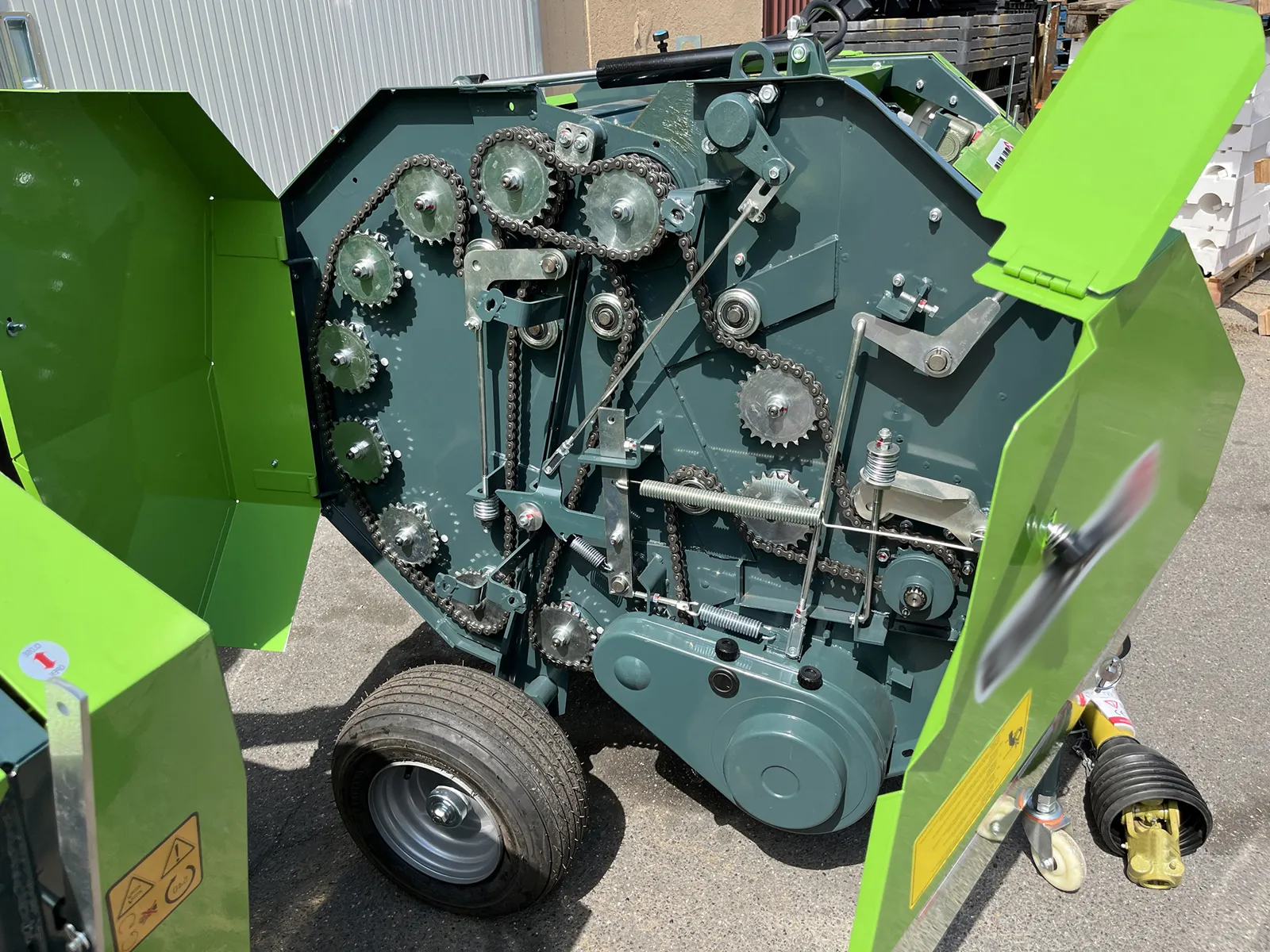
The round baler PTO shaft connection at 540 rpm transfers all working power from the tractor to the machine's main gearbox, which then distributes torque through a chain drive transmission system to the pickup, rollers, and wrapping mechanism. The high-quality chain components, sourced from renowned international brands, are bathed in automatically circulated thin oil lubrication for extended wear life and smooth, low-noise power transfer throughout the entire operating cycle.
6. Rear Tailgate and Ejection System
The hydraulically operated rear tailgate swings open fully once wrapping is complete, allowing the finished bale to roll out onto the field surface under its own weight. The tailgate then closes automatically, immediately preparing the chamber for the next baling cycle. This reliable, fast-cycling ejection system minimizes the time between bales and keeps the tractor moving forward efficiently, which is critical for maximizing daily baling output during the narrow post-harvest window.
Common Troubleshooting for the 9YK-870 Round Baler Machine
1. Pickup Not Collecting Crop Cleanly
If the spring-tooth pickup is leaving significant amounts of material on the ground, first check whether any teeth are bent, broken, or missing, as a single damaged tooth disrupts the entire pickup reel's sweeping pattern. Also verify that the pickup height is correctly set via the hydraulic adjustment system, as running too high results in missed material while running too low risks ground contact and soil contamination of the bale.
2. Bale Chamber Clogging or Blockage
Chamber blockages most commonly occur when operating speed exceeds the recommended 2 to 5 km/h, when windrows are excessively thick, or when crop material is too wet. If a blockage occurs, stop the tractor immediately and disengage the PTO before attempting clearance. Open the rear tailgate to relieve pressure, and carefully remove material manually using a hook tool, ensuring no personnel are near the rollers during any blockage clearing procedure.
3. Bales Are Loose or Irregularly Shaped
Loose or misshapen bales usually indicate that crop material is not feeding evenly into the chamber, often caused by an uneven windrow, a partially blocked feed channel, or worn rollers that no longer apply consistent pressure. Check the windrow width relative to the 800 mm pickup capacity and redistribute material if needed. Also inspect the condition of the round baler rollers for uneven wear patterns that would indicate a bearing or roller replacement is overdue.
4. Twine Not Wrapping Correctly
If the round baler twine is failing to wrap, breaking mid-cycle, or not cutting cleanly, begin by checking that the twine spool is correctly loaded and that the thread path follows the manufacturer's routing guide without kinks or tangles. Inspect the twine cutter blade for dullness or residue buildup, as even a partially blunt cutter will cause unreliable cuts. Also verify that the wrapping sensor is detecting bale size correctly and triggering the wrap sequence at the right time.
5. Excessive Noise or Vibration During Operation
Unusual noise or vibration is an early warning of a mechanical issue and should never be ignored. Common sources include a dry or stretched drive chain requiring lubrication or replacement, a worn bearing in one of the roller assemblies, loose fasteners on the pickup or bale chamber frame, or an imbalanced bale causing asymmetric loading of the rollers. Conduct a thorough inspection of all chain tension, bearing play, and fastener tightness at the first sign of unusual operational noise.
6. Touch Screen Display Showing Error Codes
When the handheld color touch screen displays an error code or warning indicator, consult the operator's manual error code table immediately to identify the specific system fault. Common electronic errors relate to sensor signal loss, wrapping counter malfunction, or power supply interruptions caused by loose wiring harness connectors. In most cases, verifying all sensor cable connections and ensuring the main control unit is properly grounded will resolve electronic display faults without requiring parts replacement.
7. Tailgate Fails to Open or Close Properly
Tailgate operational issues are typically hydraulic in nature. Check that the tractor's hydraulic system is providing adequate flow and pressure to the baler's hydraulic circuit. Inspect hydraulic hose connections for leaks or kinks that could restrict fluid flow to the tailgate cylinder. Also verify that the tailgate latch mechanism is engaging and releasing cleanly, as worn latch components can prevent the gate from opening at bale ejection even when the hydraulic system is functioning correctly.
8. PTO Shaft Disconnecting or Vibrating
Issues with the round baler PTO shaft connection are most often caused by incorrect coupling of the shaft to the tractor PTO stub, wear of the slip clutch within the PTO line, or a misalignment angle that exceeds the driveline's rated operating envelope. Always verify that the PTO shaft click-locks securely to both the tractor and the machine, that the guard tubes are intact, and that the working angle of the shaft does not exceed 15 degrees during field operation to prevent accelerated wear of the universal joints.
How to Choose the Right Round Baler for Your Farm
1. Match Power to Your Tractor
The single most important compatibility check is whether your tractor can supply the required PTO horsepower and shaft speed. The 9YK-870 requires 25 to 50 hp and a 540 rpm PTO, covering the majority of compact and utility tractors worldwide. Selecting a baler that exceeds your tractor's power output results in chronic underperformance, overheating, and premature mechanical failure of both the baler and the tractor's drivetrain.
2. Consider Your Primary Crop Types
Different crops have different baling requirements. Light, dry hay and straw bale easily at most speeds, while heavier, wetter materials like corn silage or green grass demand lower ground speeds and a machine with sufficient chamber strength. The 9YK-870's roll-drum design with spring-tooth direct feeding handles a broad spectrum from fine grass to coarse corn stalks, making it one of the most versatile compact round baler options available at this power class.
3. Evaluate Bale Size Requirements
Consider how finished bales will be handled, stored, and sold. The Φ630 x 700 mm round baler sizes produced by the 9YK-870 are classified as mini round bales, ideal for operations with front-end loader handling capability and storage in standard farm buildings. If your downstream market or handling equipment requires larger bale formats, consider whether a bigger machine would be appropriate, though that comes with significantly higher power requirements and purchase cost.
4. Assess Wrapping System Needs
Decide whether your operation requires twine, net, or film wrap capability based on end use. Twine wrapping as featured on the 9YK-870 is cost-effective and sufficient for dry hay and straw. If you anticipate wrapping bales in film for silage production, verify whether the machine includes or can be upgraded with a compatible film wrapping attachment, or whether a dedicated silage round baler wrapping unit will need to be purchased separately for follow-on field wrapping operations.
5. Review Parts and After-Sales Support
A round baler for sale is only as good as the support network behind it. Confirm that your supplier can provide timely access to genuine round baler parts, including pickup teeth, round baler belts (if applicable), rollers, bearings, and electronic components, within a timeframe that won't leave you parked in the field during harvest. Mexico Round Baler Co., Ltd. offers a global parts logistics network and dedicated after-sales engineering support to minimize downtime for all customers.
Round Baler and Round Baler PTO Shaft
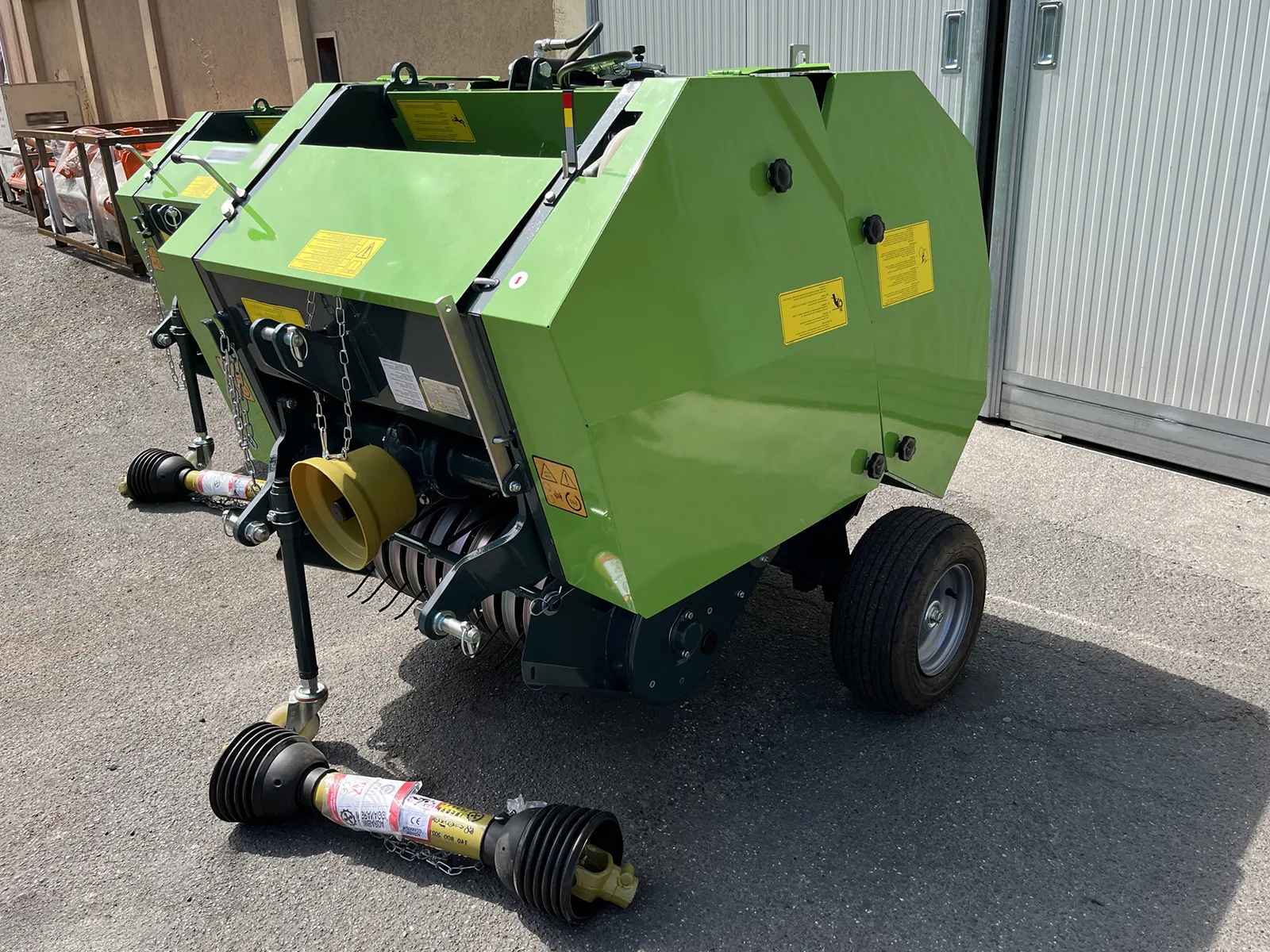
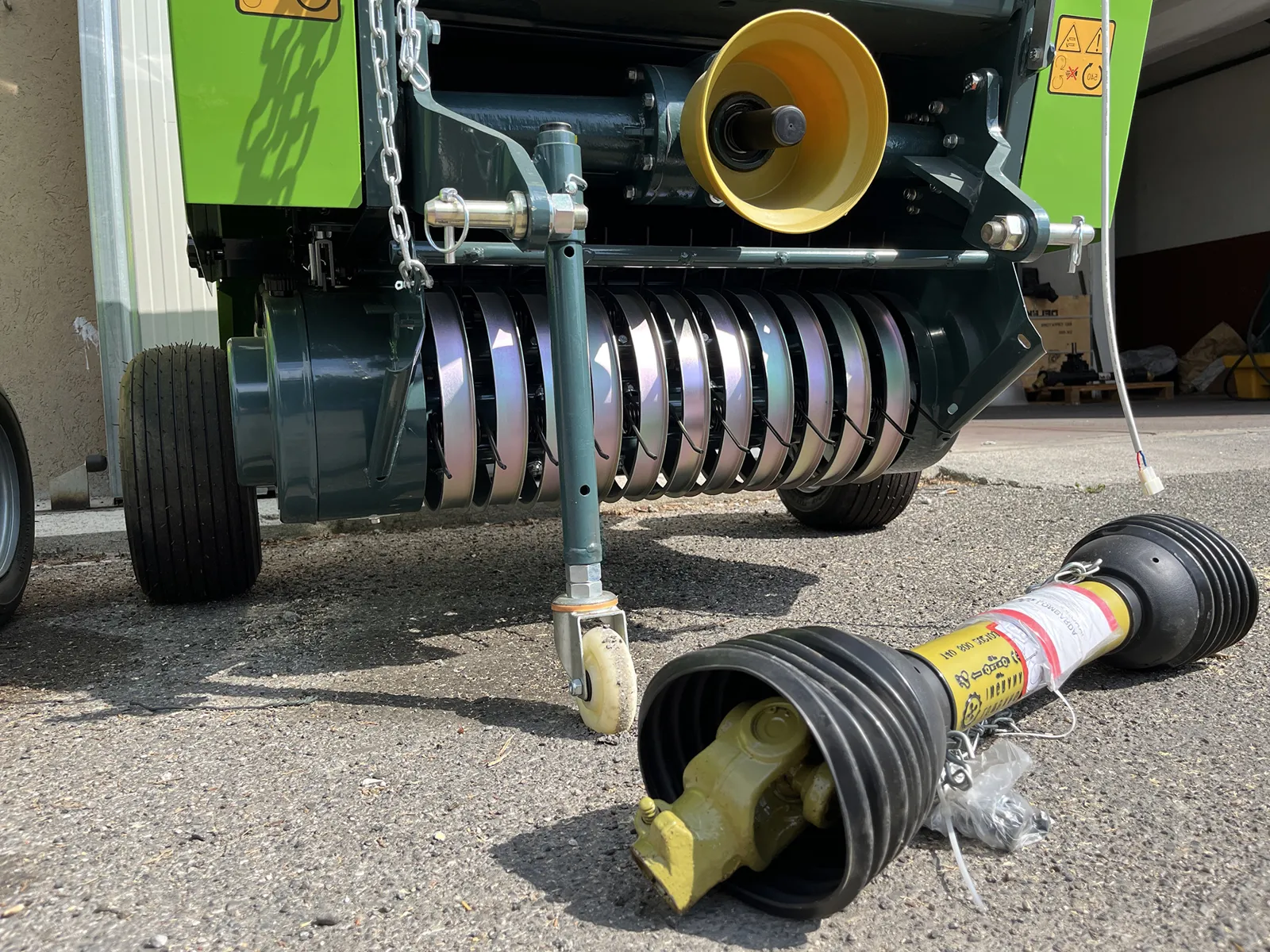
No component is more fundamentally important to round baler operation than the round baler PTO shaft, yet it is frequently overlooked by first-time buyers focused on the baler itself. The PTO shaft is the physical mechanical link that transfers rotational energy from the tractor's power take-off stub to the baler's main input gearbox, and without it, no baling whatsoever can occur. On the 9YK-870, the PTO shaft must deliver 540 rpm at the correct torque level to energize the pickup reel, drive the compression rollers, and power the wrapping mechanism simultaneously.
A correctly specified PTO shaft for a small round baler of this class must be rated to handle the peak torque spikes that occur at bale ejection and during heavy-crop feeding situations. Standard agricultural PTO shafts for the 25 to 50 hp power range include an integrated slip clutch or shear bolt overload protection mechanism, which protects both the baler's input gearbox and the tractor's drivetrain components in the event of a sudden blockage or bale chamber overload. Selecting a PTO shaft without adequate overload protection for a mini round baler application is a false economy that frequently results in catastrophically expensive gearbox or tractor transmission damage.
The physical length and telescoping range of the PTO shaft must also match the tractor-to-baler hitch geometry. Because the 9YK-870 uses a trailed hitching method, the distance between the tractor PTO stub and the baler input flange varies as the tractor articulates through turns and traverses undulating ground. The shaft must never reach full extension or full compression during the most extreme working angles encountered in the field, as either condition imposes unacceptable stress on the universal joints and can cause sudden shaft separation or failure during round baler operation.
For operators seeking replacement or upgraded PTO shafts for their round hay baler machine, it is essential to match the spline profile, shaft series rating, working length, and overload protection type to the original equipment specification. Using an undersized or mismatched shaft is a leading cause of premature universal joint failure and unexpected downtime during peak season operations. Mexico Round Baler Co., Ltd. can advise on correct PTO shaft selection for the 9YK-870 and supply compatible driveline components as part of a complete machine package, ensuring every element of the power transmission chain is properly matched from tractor to baler for maximum reliability and output.
FAQs
Q: What tractor horsepower is needed to run the 9YK-870 round baler?
A: The 9YK-870 is designed to match tractors in the 25 to 50 hp range with a 540 rpm PTO output. This makes it compatible with most compact and sub-compact utility tractors available globally. Operating outside this power range, particularly underpowering the machine in thick, heavy crop conditions, can result in frequent stalling, incomplete bale formation, and unnecessary strain on the tractor transmission and PTO drivetrain components.
Q: What are the bale dimensions produced by this mini round baler?
A: The 9YK-870 produces bales measuring Φ630 mm in diameter and 700 mm in width. This falls into the mini or small round bale category, making the bales manageable with a standard front-end loader or bale handler attachment on most utility tractors. These dimensions are well suited to farm-scale feed distribution, smaller livestock herds, and indoor barn storage without the need for heavy lifting equipment.
Q: Can this round baler for hay be used for silage as well?
A: Yes, the 9YK-870 can be used to bale high-moisture green forage for silage production. The machine's roll-drum chamber compresses wet material effectively at lower operating speeds. Once bales are ejected, they can be individually wrapped in stretch film using a separate bale wrapper unit to create airtight fermentation conditions. This makes the 9YK-870 a practical solution for operations seeking a versatile silage round baler at compact tractor power levels.
Q: How does round baler operation affect replacement belt needs?
A: The 9YK-870 uses a roll-drum compression system rather than a belt-based bale chamber, which means traditional round baler belts are not a primary wear item on this particular machine. Belt-type balers require periodic replacing round baler belts as they stretch and wear. Drum-roller systems like the one in the 9YK-870 instead require periodic inspection and eventual replacement of individual drive rollers and roller bearings, which generally have a longer service interval than belts in comparable operating conditions.
Q: What type of round baler twine should be used with this machine?
A: The 9YK-870's rope wrapping system is compatible with standard agricultural baler twine in both natural sisal and synthetic polypropylene compositions. Twine should be selected based on expected bale weight and storage conditions. Heavier bales stored outdoors benefit from UV-stabilized synthetic twine with higher breaking strength, while lighter, dry straw bales can be reliably secured with standard sisal round baler twine. Always verify twine spool size compatibility with the machine's twine compartment before purchasing in bulk.
Q: What are the recommended round baler tires for this machine?
A: The 9YK-870 is fitted with 18 x 6.50-8-4PR specification round baler tires as standard. These agricultural-rated tires provide adequate load capacity for the machine's 440 kg operating weight plus the dynamic loads of baling. When inspecting or replacing tires, ensure the replacement meets or exceeds the original 4-ply rating and the 18 x 6.50-8 size specification, as undersized or low-ply tires risk sidewall failure under heavy field loading conditions, particularly on stony or uneven terrain.
Q: Is this a good round baler for corn stalks specifically?
A: The 9YK-870 is well suited to round baler for corn stalks applications. The spring-tooth direct feed system handles the coarser, stiffer material of corn stover effectively when the machine is operated at the lower end of the 2 to 5 km/h speed range. Windrows should be of moderate, even density to prevent chamber overloading. Properly shredded or chopped stalks bale more easily and produce denser bales than full-length stalks, so combining the round baler with a prior shredding pass improves output quality significantly.
Q: How do I perform routine round baler operation maintenance checks?
A: Daily pre-operation checks should include inspecting all pickup teeth for bends or breakages, verifying chain tension and lubrication across the entire chain drive system, checking that the twine spool is adequately loaded and correctly routed, confirming hydraulic hose integrity with no visible leaks, and reviewing the touch screen display for any stored warning codes. The centralized grease lubrication system should be serviced weekly or per the schedule in the operator's manual, and roller bearing play should be assessed at each monthly inspection interval.
Q: What makes this a compact round baler suitable for small farms?
A: Three factors make the 9YK-870 particularly well suited to small farm operations: its low power requirement of just 25 to 50 hp means it pairs with affordable compact tractors rather than demanding high-horsepower machines; its 440 kg working weight and 1300 x 1300 x 1350 mm overall dimensions make it maneuverable in smaller paddocks and through standard farm gateways; and its one-operator design means no additional labor is required to run a complete baling operation, keeping per-bale production costs low even at lower annual baling volumes typical of small farm operations.
Q: What is the difference in bale size between round baler sizes available in the market?
A: Round baler sizes range from mini balers like the 9YK-870 producing Φ630 x 700 mm bales, through mid-range machines producing 1,000 to 1,200 mm diameter bales weighing 200 to 400 kg, up to large commercial balers producing 1,500 mm diameter bales exceeding 500 kg. Mini bales are ideal for small livestock operations and manual handling situations. Large bales suit commercial silage contractors and big feedlot operations. The 9YK-870 occupies the productive sweet spot for small to medium farms seeking efficient, affordable mechanized baling.
Customer Reviews
Carlos Menendez, Grain Farmer, United States
"We run a mixed crop operation in Iowa, mainly corn and soybeans, and we've been using this 9YK-870 for about two seasons now. Honestly it's been a workhorse. My old 38 hp tractor handles it without any strain, PTO runs smooth at 540, and we're consistently getting tight 630mm diameter bales every cycle. Had a minor issue with the twine cutter in month four and the support team walked us through the fix over video call. Replacement round baler parts arrived within a week. No complaints."
Rajesh Sharma, Wheat Farmer, India
"I farm wheat in Rajasthan and the straw volume after harvest is massive. Before this machine I was burning everything which was a waste and bad for the soil. Now I'm baling all of it. The spring tooth pickup handles dry straw really well even when it's been lying in a thin windrow. The touch screen is simple enough that my farm assistant learned it in one afternoon. We're doing around 200 bales a day when conditions are right. I'd call it one of the best round baler investments I've made."
Augusto Ferreira, Cattle Rancher, Brazil
"We run cattle on pasture in Minas Gerais and we needed a small round baler that could handle Brachiaria and Tifton grasses, which can be quite heavy when we cut during the rainy season. The 9YK-870 copes with it just fine as long as we keep the speed at the lower end, around 2.5 km/h when it's really green. Bales come out consistently at 630 by 700 and we wrap them in film for silage. Service from the supplier was fast, everything was clearly communicated in Spanish and the shipping to Brazil was quicker than expected."
James Holliday, Mixed Farmer, Australia
"Shipping to Australia took a bit longer than I hoped but the machine arrived in perfect condition, well packed. Set it up on my 42 hp Kubota in half a day. I mainly use it for oaten hay and mixed cereal straw and it's been reliable for the three months I've owned it. The automatic lubrication system is a proper time saver compared to my old machine where I had to grease everything by hand every shift. The 440 kg weight makes it easy to maneuver around the farm with a standard three-point hitch."
Dmitry Volkov, Farm Cooperative Manager, Russia
"We are a cooperative in Krasnodar region and we purchased three of these units for our members to use on a rotation basis through the wheat season. All three machines have performed well with zero major breakdowns across the entire season. The dual auto and manual mode makes it easy to train different operators quickly. The electronic control screen is intuitive. We particularly liked the centralized lubrication system, it cuts maintenance time significantly when you are running three machines across multiple operators. Will order again next season."
Martin Aguirre, Alfalfa Grower, Argentina
"I grow alfalfa on about 80 hectares in the Pampas and this compact round baler for tractor has been excellent for my second and third cut when the windrows are lighter. It is not the biggest machine on the market but it is absolutely the right size for my 35 hp tractor. The bales are tight and uniform every time, which makes stacking on my flatbed trailer straightforward. I've been very impressed with the build quality considering the price. The round baler operation manual was detailed and clear and set-up was smooth."
Eduardo Dominguez, Corn Farmer, Mexico
"I was a bit nervous ordering agricultural machinery internationally for the first time but I have to say the experience was very positive. The sales team communicated clearly throughout the process and gave me an accurate shipping timeline. The machine reached our farm in Jalisco in good shape and we've been baling corn stalks and sorghum stubble with it since October. It works well on corn stalks which I was not sure about given the toughness of the material. Output quality is consistent and the after sales support team responded to my initial setup questions the same day I emailed."
Hans-Peter Gruber, Dairy Farmer, Germany
"We run a dairy operation in Bayern and I was looking for a small round hay baler that our 40 hp Fendt compact could handle. The 9YK-870 fits that brief exactly. We primarily bale grass silage from our paddocks and the machine handles the wet material at slow speed without clogging. The hydraulic pickup height control is a genuine advantage on our slightly uneven fields. Build quality looks solid, the welds are clean, and everything looks well engineered. After six months of regular use I have no issues to report. Very satisfied customer."
Fiona McAllister, Sheep Station Owner, New Zealand
"Our sheep station in Canterbury needed a round baler for hay that could work with our 30 hp tractor and the 9YK-870 was the right spec. We've baled about 1,800 bales of ryegrass and clover hay across two cuts this season and the machine has worked reliably throughout. The rope wrapping is solid, no bales have come loose during stacking or transport. The touch screen display is a bit small for outdoor use in bright sunlight but you adapt quickly. Delivery was well organized and the machine was exactly as described. Good value for money overall."
Additional information
| Edited by | Yjx |
|---|