How Does a Round Baler Work?

What Does a Round Baler Do?

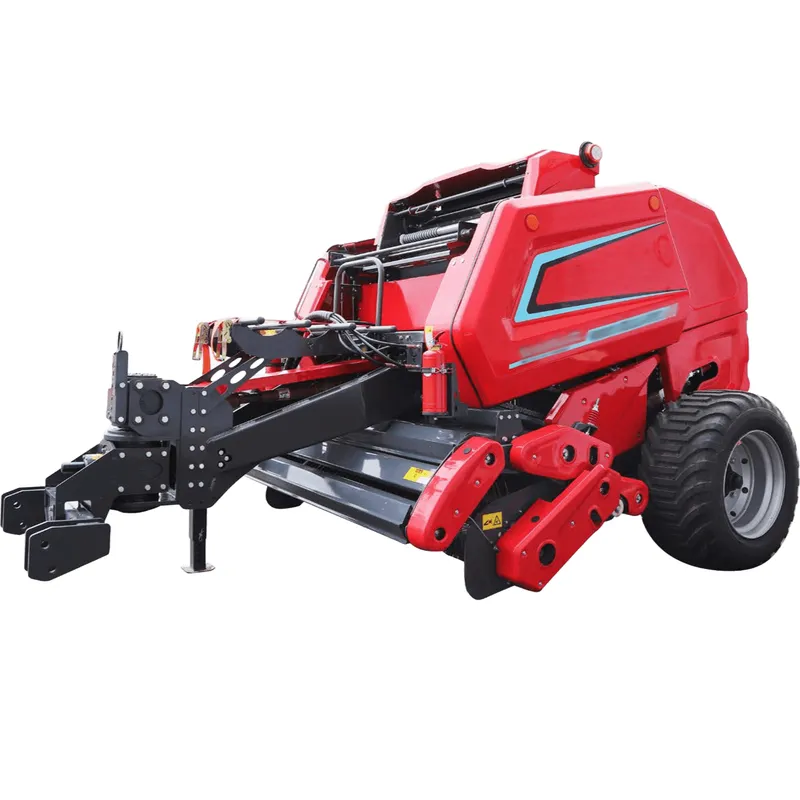
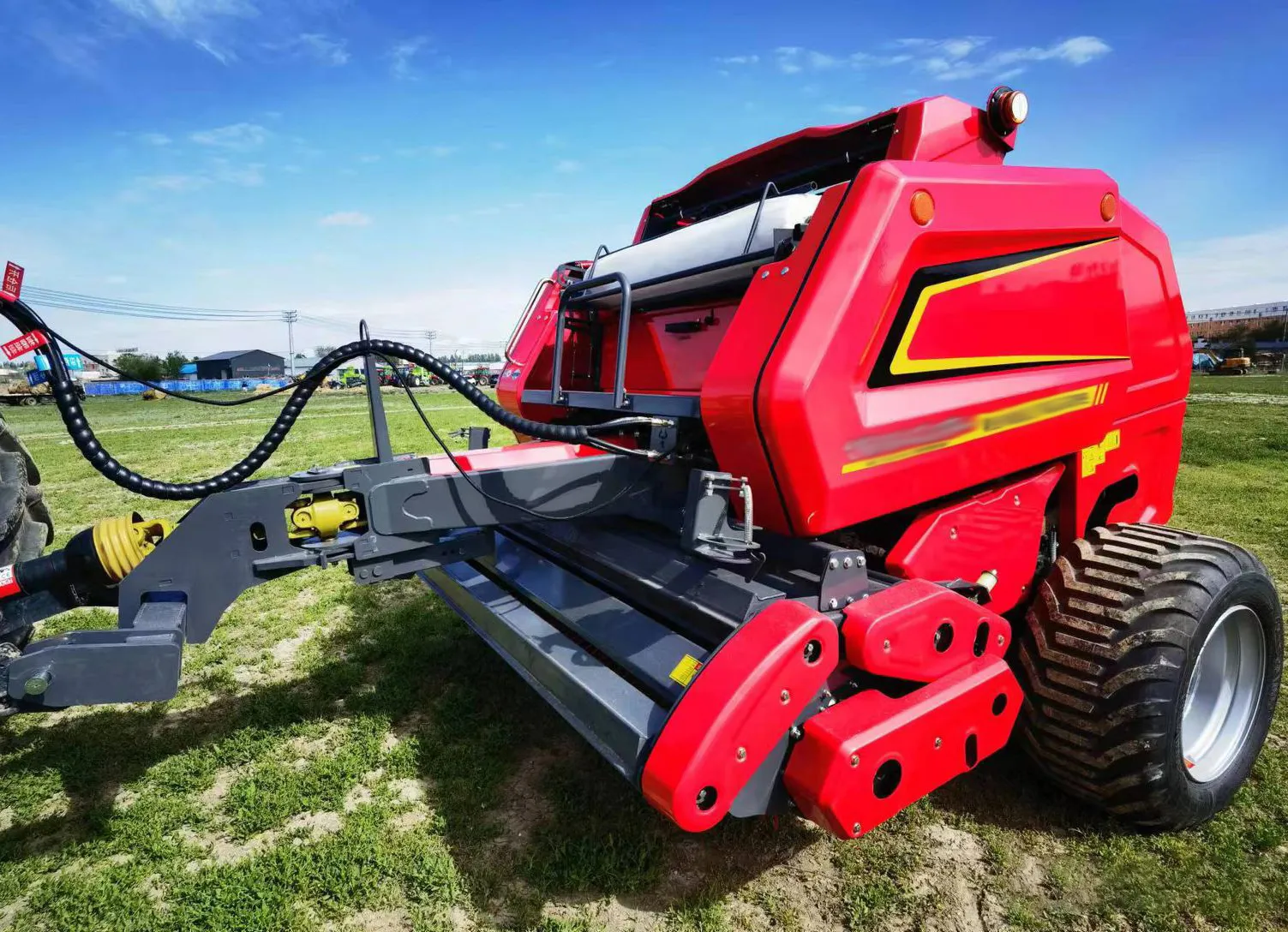
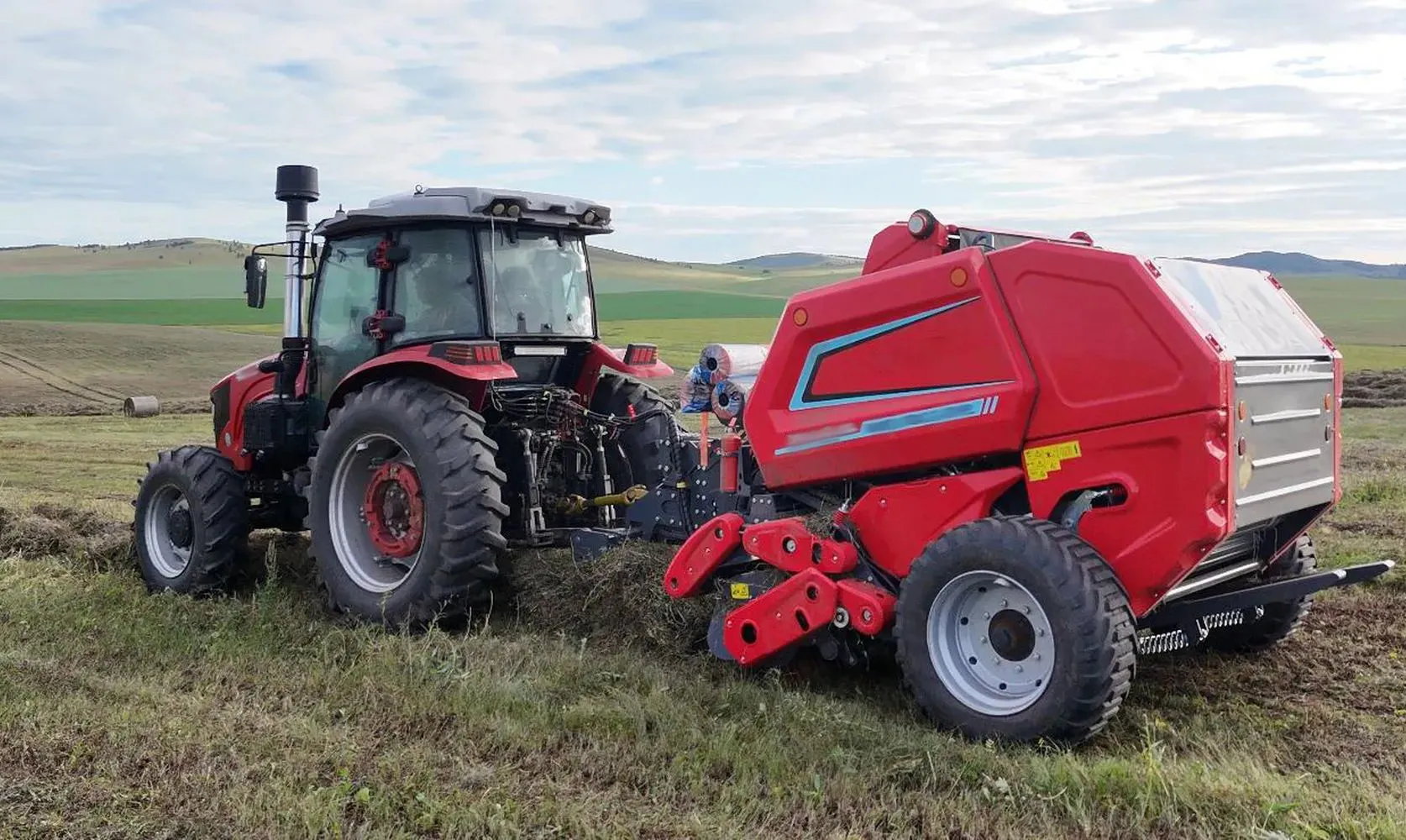
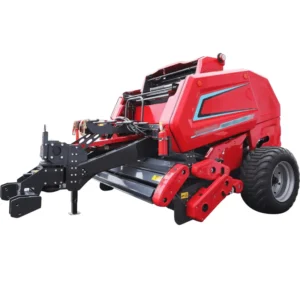
A round baler is a piece of agricultural equipment designed to gather and compact cut crops, such as hay, straw, or silage, into tightly bound cylindrical bales. This machine operates by picking up the harvested material from the ground using a pickup reel and feeding it into a compression chamber. Inside the chamber, rotating belts, rollers, or chains tightly roll the material into a round shape. Once the bale reaches the desired size, it is wrapped with twine, netting, or plastic to hold its shape and preserve the material. The machine then ejects the completed bale onto the field. Round balers are highly efficient for farmers, as the cylindrical shape of the bales allows for easier handling, storage, and transportation. They also help protect the forage quality by maintaining uniform density and facilitating proper ventilation.

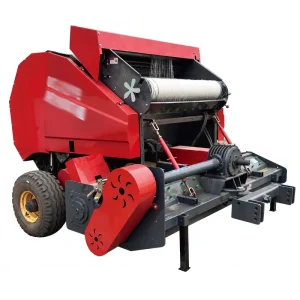
9YG-2.24D Round Baler

Benefits of Using a Round Baler

1. Efficient Harvesting Process
A round baler streamlines the process of collecting and compacting crops like hay, straw, or silage. It reduces manual labor by automating the baling process, allowing farmers to work faster and cover larger areas. The machine picks up the material directly from the field, rolls it into tight bales, and wraps it efficiently, saving time and effort while ensuring consistent results.

2. Improved Forage Preservation
Round balers compress forage into dense, uniform bales that are tightly wrapped with twine, netting, or plastic. This tight wrapping minimizes air exposure, which helps preserve the nutritional quality of the feed. By reducing spoilage and preventing mold or rot, round balers ensure that stored forage remains fresh and usable for livestock.

3. Ease of Handling and Transport
The cylindrical shape of round bales makes them easier to handle and transport compared to loose materials or square bales. They can be rolled, moved using bale-specific equipment like bale forks, and stacked efficiently. Their uniform size and shape aid in loading onto trucks or trailers, simplifying logistics for farmers and suppliers.

4. Space-Saving Storage
Round bales are compact and can be stored in a variety of configurations, making them ideal for farms with limited storage space. When properly stacked, they take up less room while still allowing ventilation to prevent spoilage. Additionally, plastic-wrapped bales can be stored outdoors, further reducing the need for large barns or storage facilities.

5. Cost-Effectiveness
Using a round baler can lower operational costs over time. The machine reduces labor expenses by automating the baling process and decreasing the time spent in the field. Furthermore, the ability to tightly wrap bales preserves more forage, reducing waste and increasing the value of harvested crops, leading to better long-term profitability.

6. Versatility Across Crops
Round balers are versatile machines capable of handling various types of crops, including hay, straw, and silage. This adaptability allows farmers to maximize their investment by using the same equipment for multiple tasks throughout the year. Whether baling dry hay for storage or wet silage for immediate use, round balers offer reliable performance in different conditions.

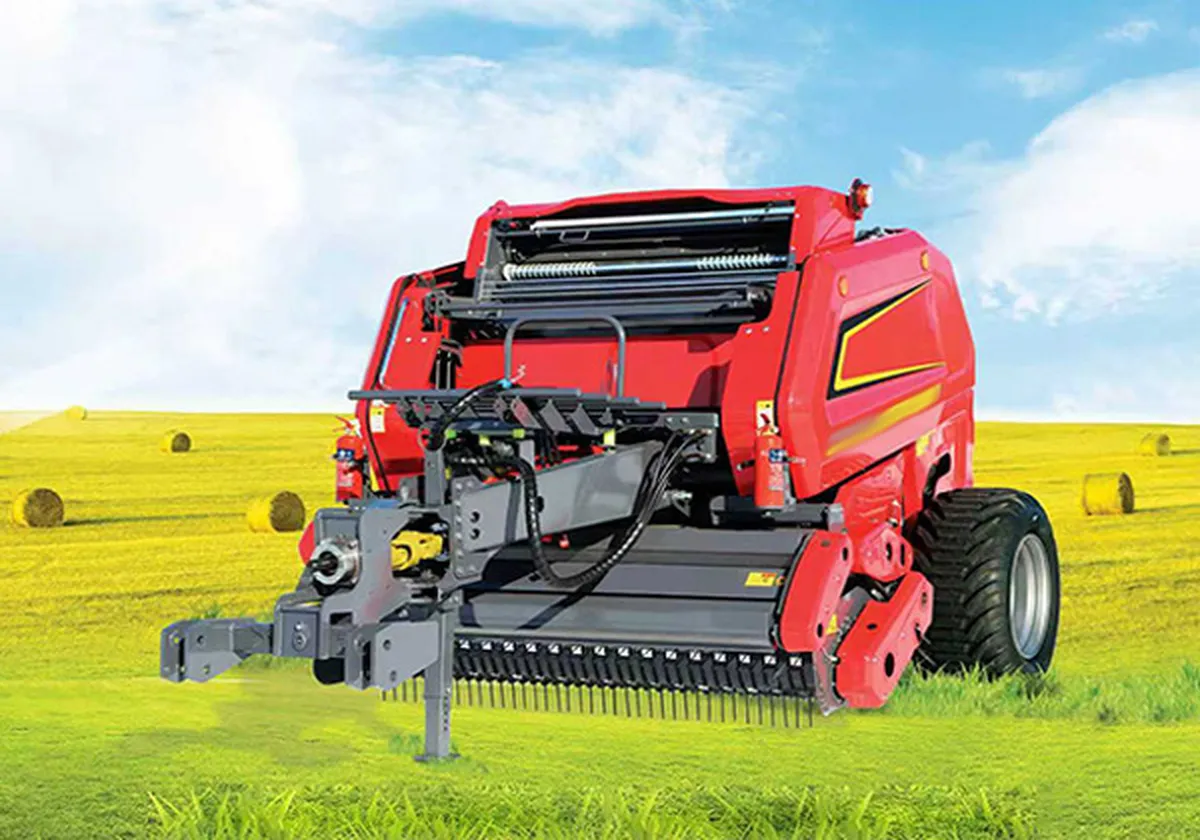
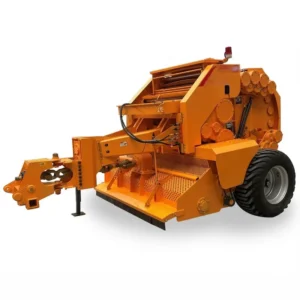
9YG-2.24D Round Baler

How Does a Round Baler Work?

A round baler is a highly efficient piece of equipment designed to improve hay pickup and overall baling speed, helping operators achieve maximum productivity in the field. Its operation involves a systematic process divided into several key steps:

Step 1: Forming the Bale’s Core
The process begins as the baler’s pickup reel lifts the cut hay from the field and feeds it into the forming chamber. Inside the chamber, a series of belts, rollers, or chains instantly start turning to shape the collected hay into a tight, dense core. The belts rotate continuously, ensuring the hay is evenly distributed and compacted from the center outward. This initial step is critical for creating a solid, well-formed core that provides structural integrity to the bale.

Step 2: Compression into Smooth Layers
As more hay enters the forming chamber, it is fed between the rotating bale and the lower gate roll. This mechanism ensures the hay is compressed into smooth, uniform layers, contributing to the bale’s density and durability. The continuous feeding and layering process ensures that every part of the bale is tightly packed, reducing air pockets that could lead to spoilage and ensuring maximum preservation of the forage’s quality.

Step 3: Maintaining Bale Density
As the bale grows in size, the idler arm in the baler rises to accommodate the increasing volume. This movement forces oil from the hydraulic cylinder through a pressure-relief valve, allowing the machine to maintain consistent pressure. This hydraulic-based system ensures the bale’s density remains uniform throughout its formation, regardless of its size. Once the bale reaches the desired size, it is tightly wrapped and ejected, ready for transport or storage.

This seamless process ensures round bales are compact, durable, and easy to handle, optimizing productivity and forage quality.

Round Baler Application Areas

What Happens if Round Bales Get Wet?

When round bales of hay get wet, several significant issues can arise, affecting their quality, safety, and usability. Hay bales are tightly packed, which means moisture can become trapped inside. This creates an environment conducive to mold growth and eventual decomposition. Moldy hay is not only unpalatable for livestock but can also pose health risks. Animals consuming moldy hay may suffer from respiratory issues, digestive disturbances, or even toxicity, depending on the type of mold present.

Another major concern is the risk of spontaneous combustion. When hay retains moisture, microbial activity increases as the organisms break down the plant material. This process generates heat. In poorly ventilated conditions, such as within a tightly packed round bale, the heat can accumulate to dangerous levels. If the temperature rises high enough, it can lead to a fire through self-ignition. This is a serious threat, not only to the hay itself but also to nearby structures and equipment.

Additionally, wet hay loses its nutritional value over time. The moisture promotes nutrient leaching and degradation, rendering the hay less effective as a food source for animals. Farmers and livestock owners relying on hay for feed may find it necessary to discard wet bales, leading to financial losses and wasted resources.

To avoid these problems, it’s essential to store hay bales in dry, well-ventilated areas, ideally covered or elevated to prevent contact with ground moisture. Proper storage and timely action after rainfall are critical to maintaining the quality and safety of round bales.

Round Baler Maintenance Tips

What Size Tractor Do You Need to Pull a Round Baler?

1. Horsepower Requirements
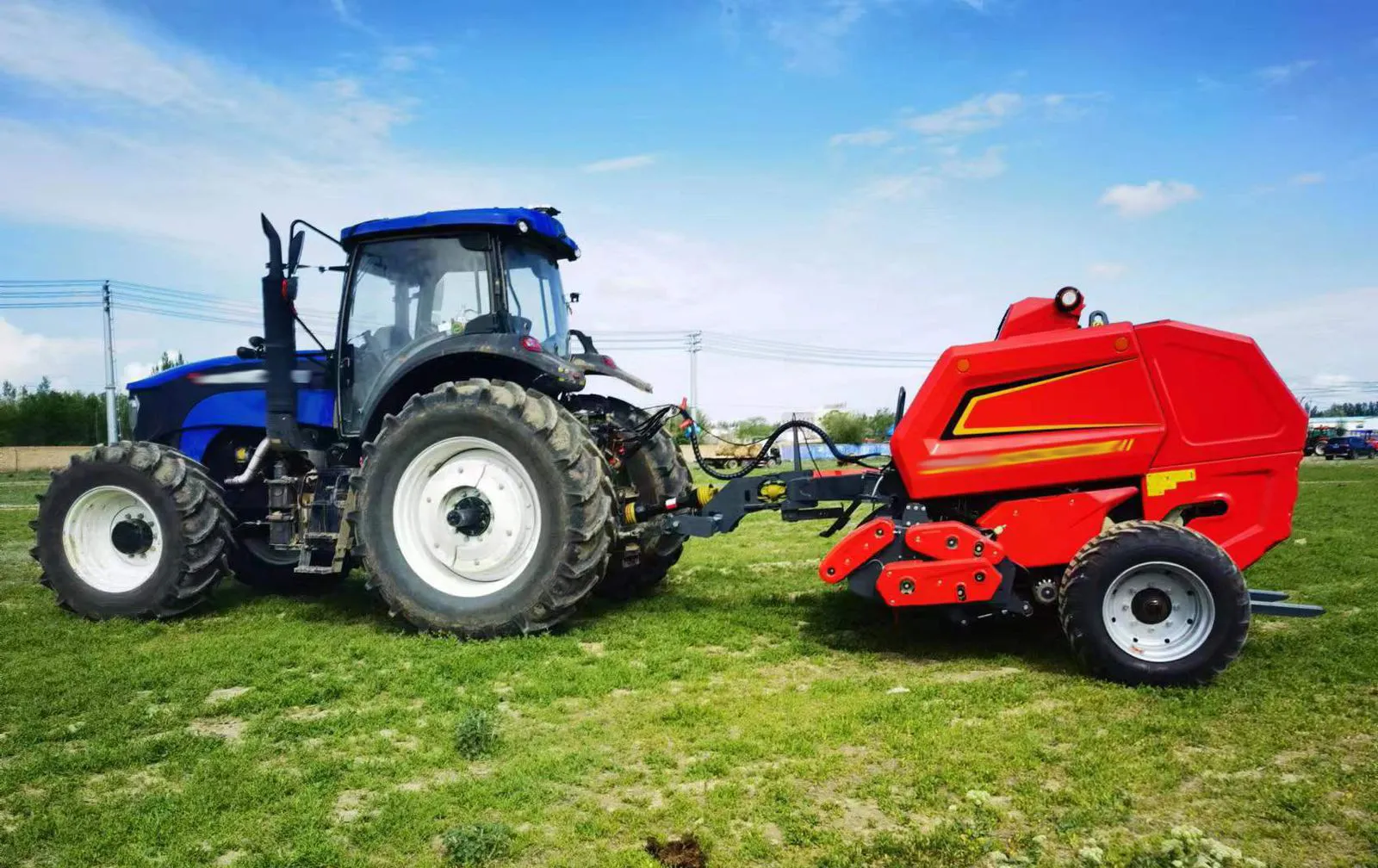
Most round balers require a tractor with a minimum of 40 to 100 PTO (power take-off) horsepower, depending on the baler’s size and model. Smaller balers designed for compact operations may work with tractors in the lower range, while larger balers need higher horsepower to operate efficiently. Always refer to the baler manufacturer’s specifications to ensure your tractor has sufficient power to handle the baling process without straining the engine or reducing productivity.

2. Weight and Stability
The tractor must be heavy enough to provide stability when pulling the baler, especially on uneven or sloped terrain. A lightweight tractor may struggle with traction, causing unsafe conditions during operation. Typically, tractors weighing at least 5,000 to 8,000 pounds are preferred for pulling medium to large balers, as they offer better balance and control.

3. Hydraulic System Capacity
Round balers rely on the tractor’s hydraulic system to operate various components, such as the bale chamber and twine or net wrapping mechanisms. Ensure your tractor’s hydraulic output meets the baler’s requirements. Most standard balers need at least one hydraulic remote and a flow rate of 10 to 15 gallons per minute for optimal performance.

4. Transmission Type
A tractor equipped with a modern transmission system, such as a power-shift or hydrostatic transmission, is ideal for pulling a round baler. These systems allow for smooth speed adjustments, enabling operators to maintain consistent baling speeds. Consistent speeds are critical for producing uniform bales and reducing wear on both the tractor and baler.

5. Terrain Considerations
If you operate on hilly or uneven terrain, you may require a larger tractor with more horsepower and better traction capabilities, such as four-wheel drive. Steeper gradients demand additional engine power and stability to safely pull the baler and manage the weight of the hay being processed. For flatland operations, a smaller two-wheel-drive tractor may suffice.

6. Baler Size and Bale Weight
The size of the round baler and the weight of the bales it produces play a key role in determining the tractor size required. Larger balers that produce 5-foot or 6-foot bales are significantly heavier, requiring tractors with higher PTO horsepower and greater pulling capacity. Smaller balers producing 4-foot bales are less demanding and can often be pulled by compact utility tractors, making them ideal for small-scale farms.

Round Baler for Sale