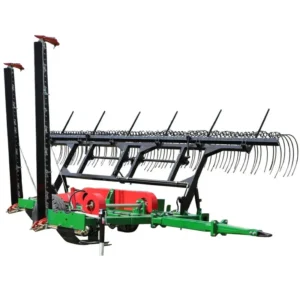
What are Round Balers?
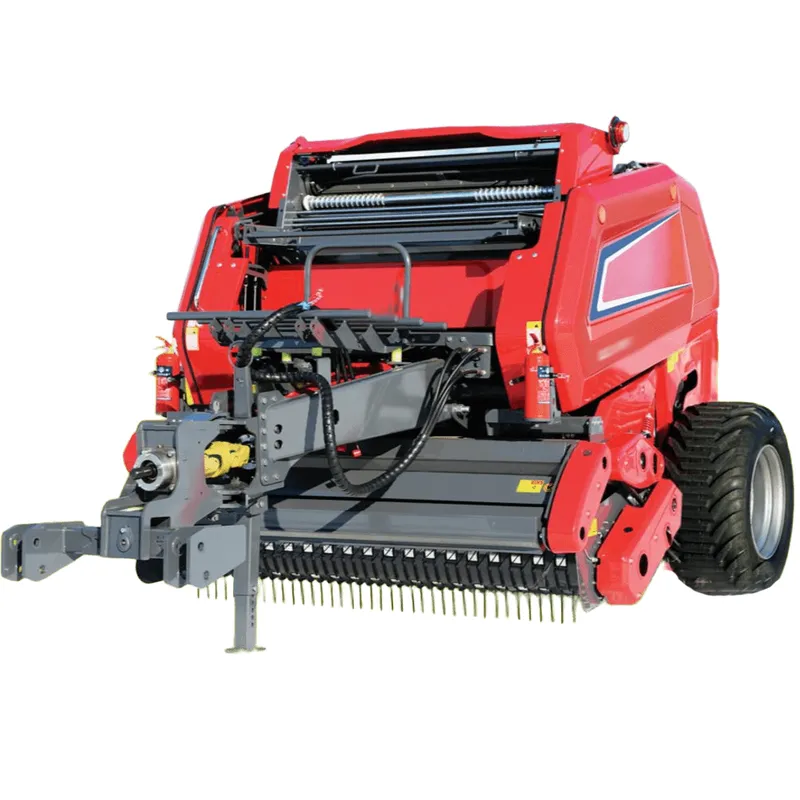
Round balers are a type of agricultural machinery designed to efficiently collect and compress cut hay, straw, or other forage crops into tightly bound, cylindrical bales. These bales are easy to handle, transport, and store. The round baler operates by gathering the crop material from the ground using a pickup mechanism, which feeds it into a chamber where it is rolled into a dense, uniform bale. Once the desired size and density are achieved, the baler wraps the bale with twine, netting, or plastic to maintain its shape and protect it from weather exposure.
Round balers are widely used by farmers due to their ability to produce bales that resist moisture infiltration, making them ideal for long-term storage. These machines are essential for livestock feeding and forage management, offering time and labor efficiency.
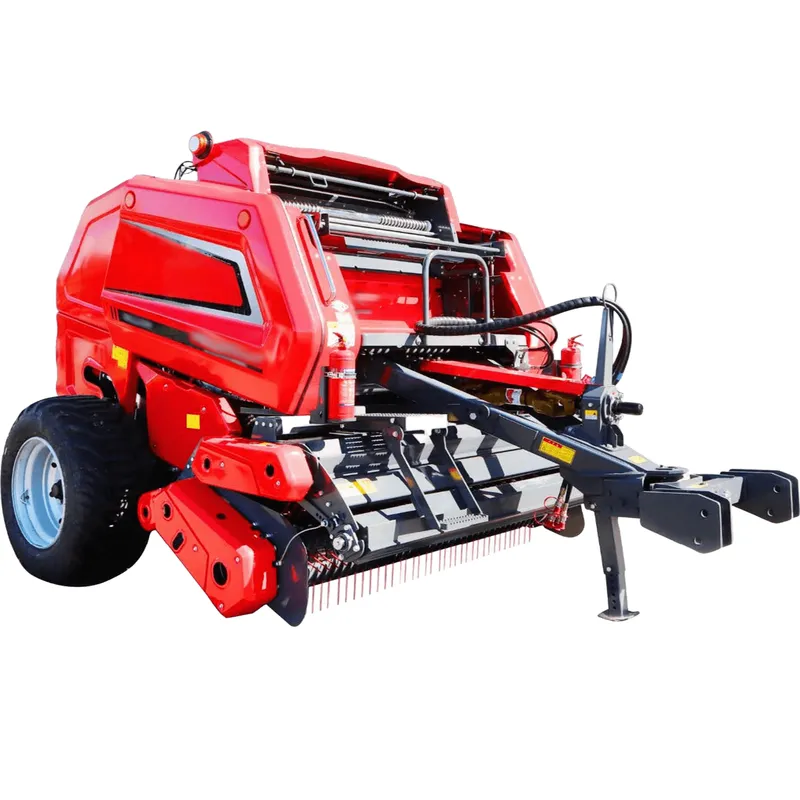
Advantages of Round Balers
1. Efficient Handling and Transport
Round balers produce cylindrical bales that are easy to handle and transport. Their uniform shape allows for convenient stacking and movement using standard equipment like tractors or bale handlers, reducing time and labor costs for farmers. This efficiency improves operational productivity.
2. Enhanced Weather Resistance
The tightly compressed bales created by round balers are designed to resist moisture infiltration. When wrapped with netting or plastic, they provide excellent protection against rain and humidity, preserving the quality of the forage and reducing spoilage during storage or transportation.
3. Time-Saving Operation
Round balers are highly efficient in gathering and compressing forage crops. Their automated wrapping systems streamline the baling process, allowing farmers to cover large fields quickly. This saves time during harvest, particularly in weather-sensitive situations.
4. Versatility for Multiple Crops
Round balers can process a variety of crops, including hay, straw, and silage. This versatility makes them a valuable investment for farmers managing diverse agricultural operations, as they can adapt to different forage needs and seasonal requirements.
5. Long-Term Storage Benefits
The dense, tightly packed bales produced by round balers are ideal for long-term storage. Their compactness minimizes exposure to air and pests, preserving the nutritional value of the forage, which is critical for livestock feeding throughout the year.
6. Labor and Cost Efficiency
By automating the baling process, round balers significantly reduce the need for manual labor. The equipment ensures consistent bale quality, minimizing waste and optimizing resources. This efficiency translates into lower operational costs and increased profitability for farmers.
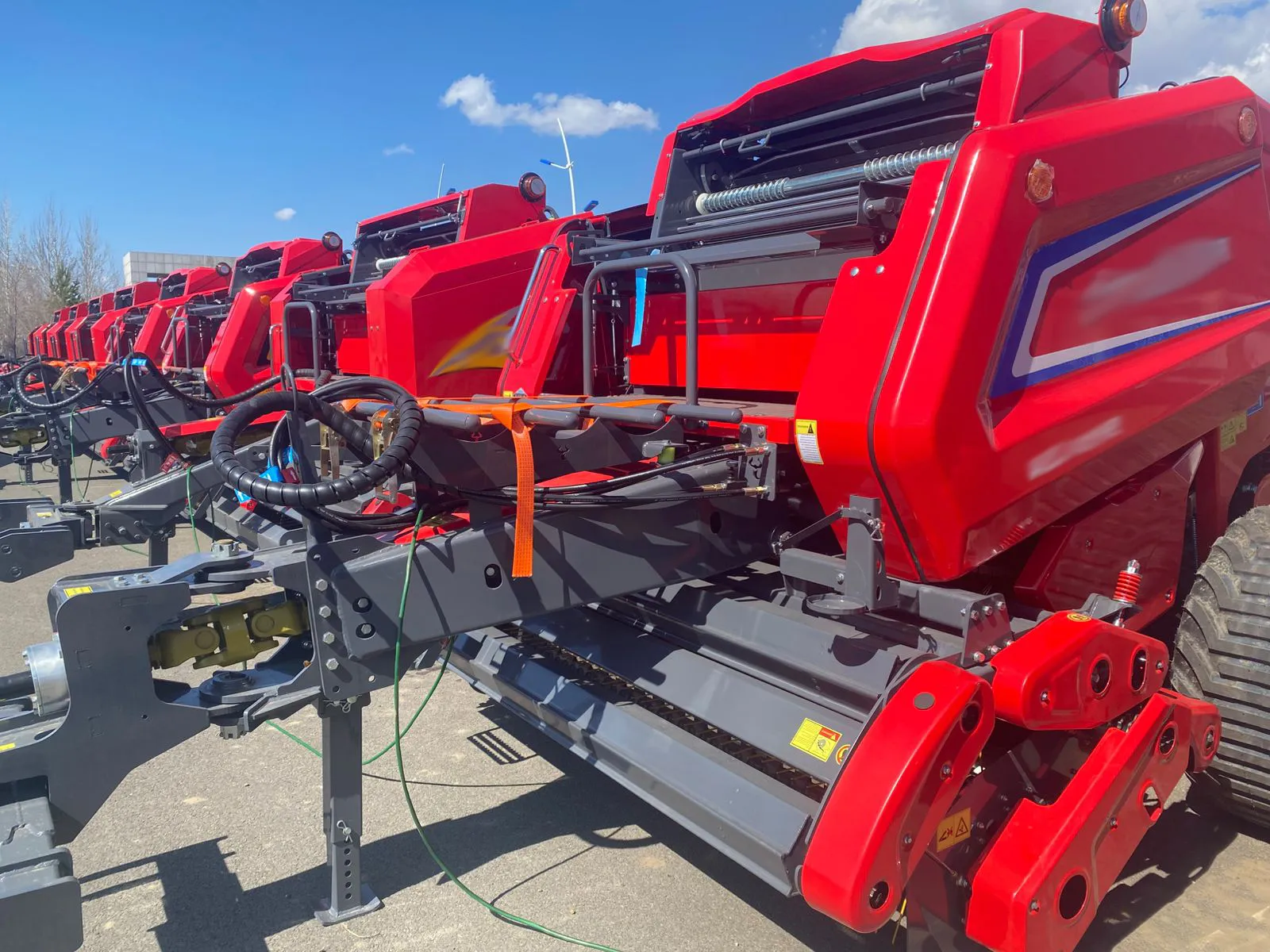
Disadvantages of the Round Baler
1. Higher Initial Investment
Round balers are often more expensive than other types of baling equipment, such as square balers. The initial cost of purchasing a round baler, along with potential maintenance expenses, can be a financial burden for small-scale or budget-conscious farmers, limiting accessibility.
2. Limited Manual Handling
The large size and weight of round bales make them difficult to handle manually. Special equipment, such as bale loaders or handlers, is required for transportation and storage, which can add to operational costs and require additional training for efficient use.
3. Storage Challenges
Round bales require more space for storage compared to square bales due to their cylindrical shape. Proper stacking can be challenging, and if not stored under cover or wrapped properly, the bales may be more susceptible to weather damage, reducing their feed quality.
4. Inefficiency in Small Fields
Round balers are best suited for larger fields, where their efficiency can be fully utilized. In smaller fields or areas with irregular terrain, the maneuverability and operation of a round baler may not be as practical, leading to reduced productivity.
What are Square Balers?
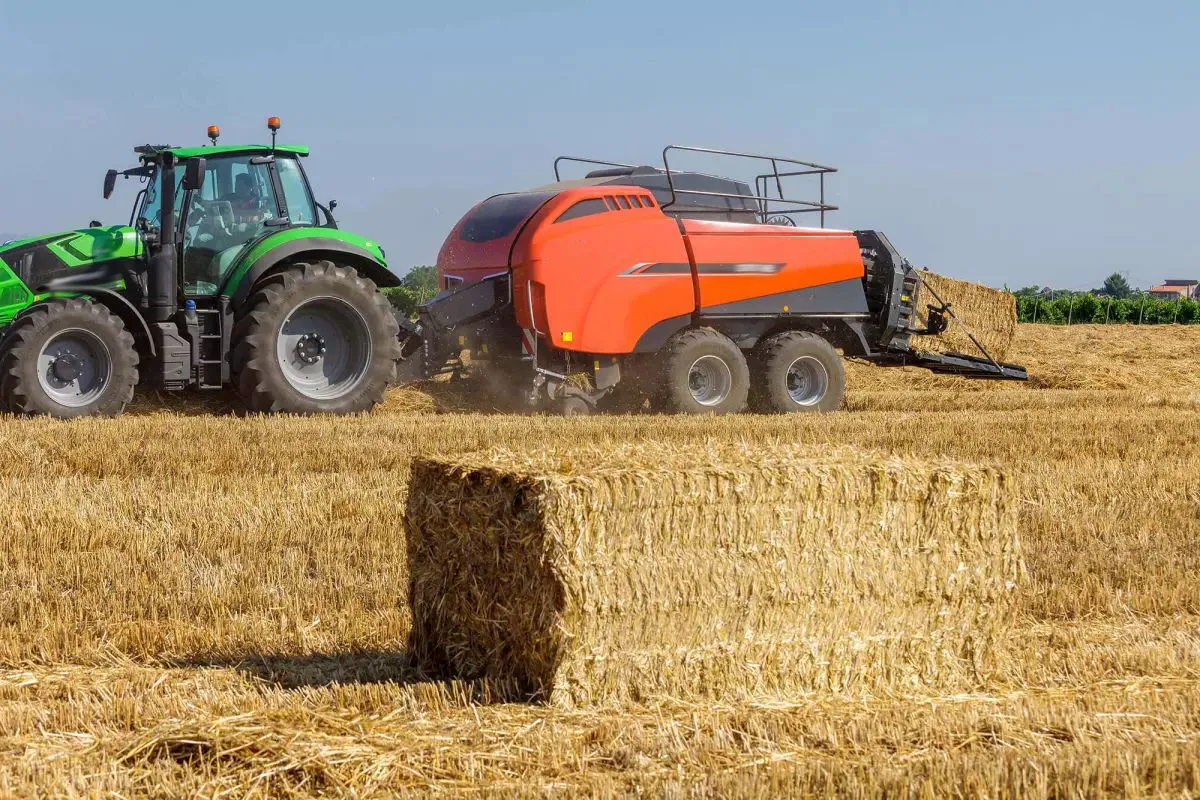
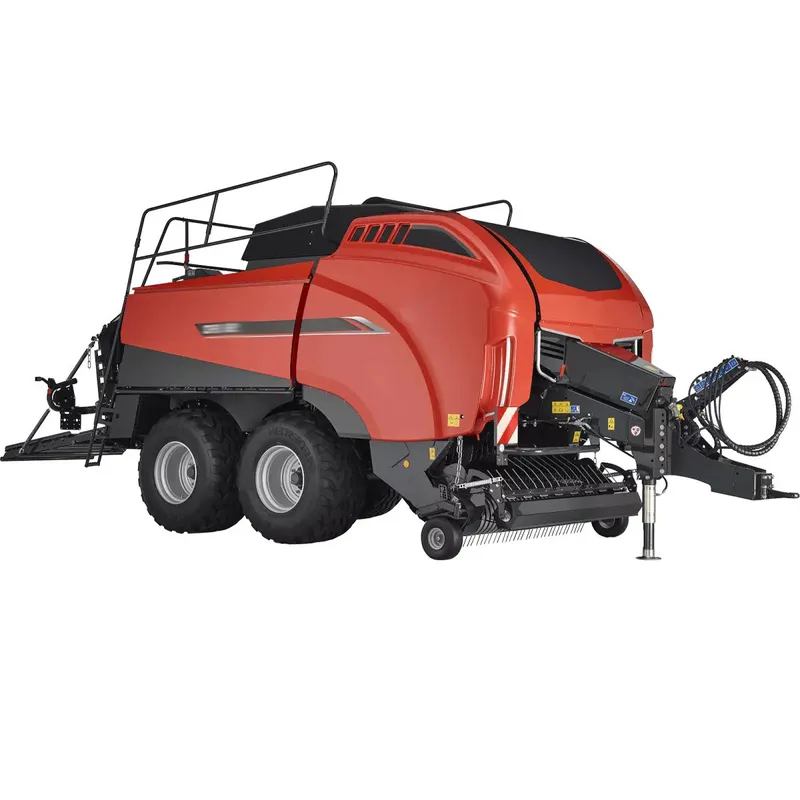
Square balers are a type of agricultural machinery used to compress cut and raked crops, such as hay, straw, or silage, into compact, rectangular-shaped bales. These bales are tightly packed and bound with twine or wire, ensuring they maintain their shape during handling and storage. Square balers are especially popular among farmers and livestock owners due to the uniform size and shape of the bales, which makes them easy to stack, transport, and distribute.
Square balers are available in two main types: small square balers, which produce lighter, hand-manageable bales, and large square balers, designed for high-capacity operations. Their design allows for efficient handling in confined spaces like barns or stables, making them ideal for feeding livestock and managing forage. Square balers are also favored for their precision and consistency, ensuring minimal crop loss during the baling process.
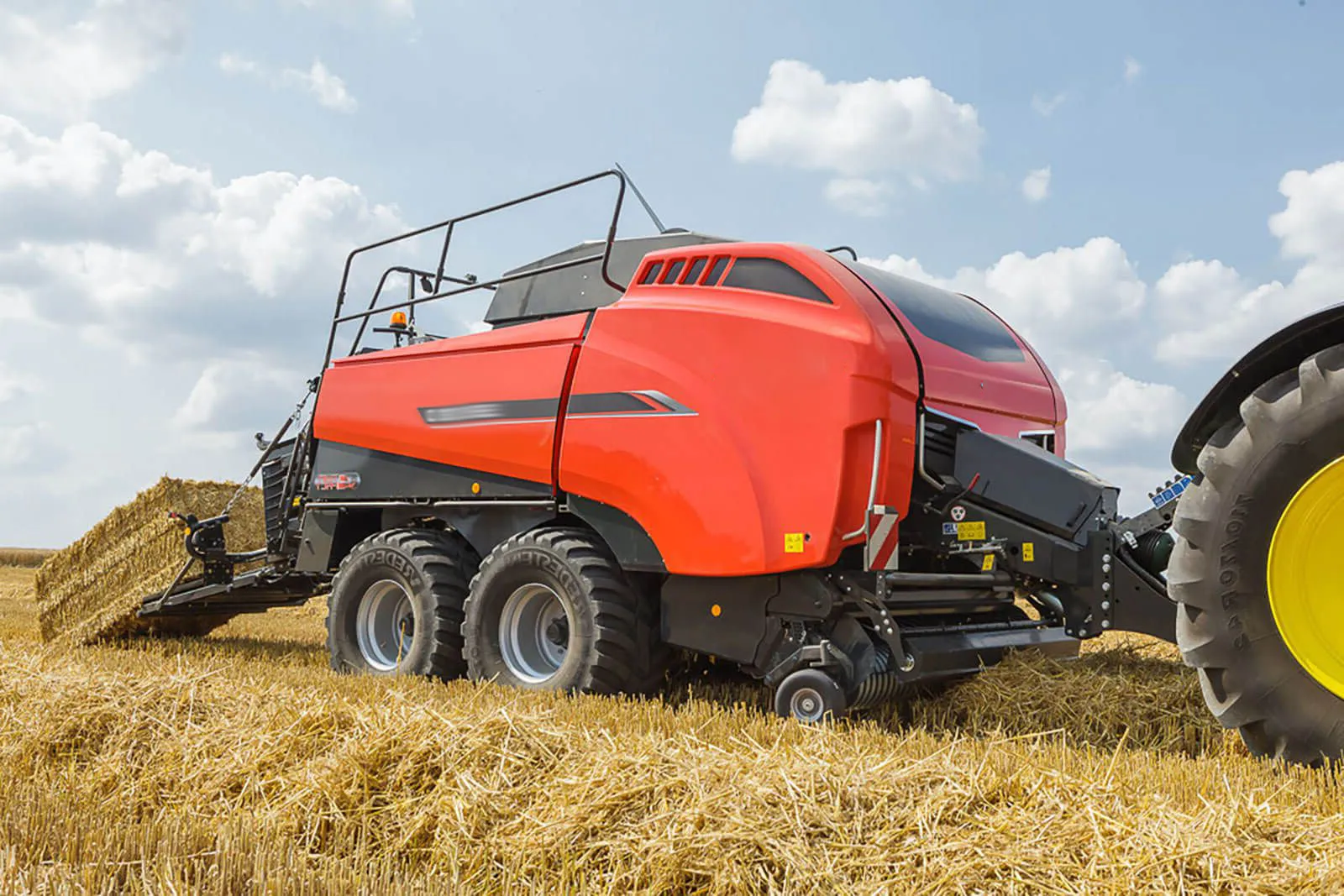
Advantages of the Square Balers
1. Convenient Handling and Transport
Square bales, especially small ones, are light and compact, making them easy to handle manually. Their rectangular shape allows for efficient stacking and transportation, optimizing storage space and reducing logistical challenges for farmers and livestock operators.
2. Efficient Storage Utilization
The uniform, rectangular shape of square bales enables them to be stacked tightly in barns or storage facilities. This maximizes space utilization and minimizes wasted areas, making square balers ideal for farms with limited storage capacity or specific stacking requirements.
3. Precision and Crop Preservation
Square balers are designed to produce consistent and dense bales, ensuring minimal crop loss during the baling process. This precision helps preserve the nutritional quality of the forage, making it an excellent choice for feeding livestock or selling high-quality hay.
4. Versatility in Usage
Square balers are versatile and can handle a wide range of crops, including hay, straw, and silage. Additionally, the smaller square bales are ideal for small-scale operations, equestrian centers, or hobby farms where manual handling and ease of use are critical.
5. Accessibility for Feeding Livestock
Due to their manageable size and shape, square bales are more convenient for daily feeding routines. Farmers can easily split or portion out the forage, making it highly practical for feeding smaller groups of animals or for specialized feeding programs.
6. Adaptability for Small-Scale Farms
Small square balers are particularly suitable for small or medium-sized farms with limited equipment and labor. Their affordability and ease of use make them an attractive option for farmers who require manageable bales without the need for heavy-duty machinery.